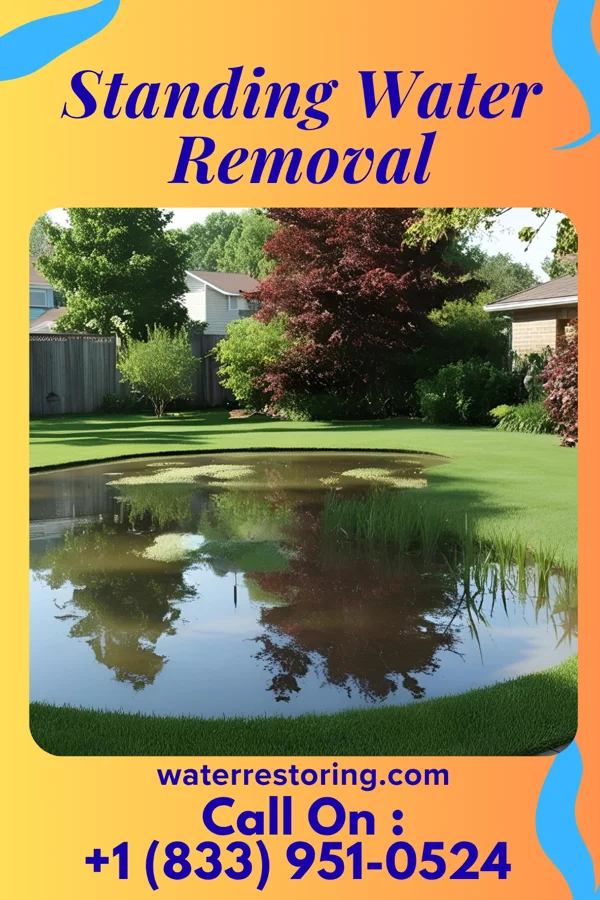
Why Hot Springs Landing Sees Standing Water Often
Numbers tell the story in Hot Springs Landing: In Hot Springs Landing, New Mexico, water damage is often caused by sudden flooding from nearby rivers or seasonal rainfall, especially during the spring thaw. The area's proximity to the Elephant Butte Reservoir also increases the risk of water intrusion during heavy storms. drives the majority of emergency restoration calls. A close second is Secondary causes include plumbing failures in older homes, backed-up septic systems, and leaks from underground water sources. The rural setting means that access to immediate repairs can be delayed, exacerbating damage..
Hot Springs Landing experiences a semi-arid climate with hot summers and mild winters, but sudden monsoon rains can lead to rapid water accumulation. The region's low elevation and proximity to water bodies increase the likelihood of flash flooding.
Hot Springs Landing experiences a semi-arid climate with hot summers and mild winters, but sudden monsoon rains can lead to rapid water accumulation. The region's low elevation and proximity to water bodies increase the likelihood of flash flooding. The dominant local driver is In Hot Springs Landing, New Mexico, water damage is often caused by sudden flooding from nearby rivers or seasonal rainfall, especially during the spring thaw. The area's proximity to the Elephant Butte Reservoir also increases the risk of water intrusion during heavy storms., with Secondary causes include plumbing failures in older homes, backed-up septic systems, and leaks from underground water sources. The rural setting means that access to immediate repairs can be delayed, exacerbating damage. a frequent secondary cause. Water damage progresses in stages: spread, absorption, microbial growth, structural compromise — each stage compounds the cost.